Know what your structure is doing. Every second.
We instrument bridges, highways, rail and buildings, measure the prestress force in their tendons, and turn continuous data into calibrated digital twins and early warnings.
What we do
Complete monitoring systems, from sensor design to engineering decisions. Each one is scoped around the questions the owner needs answered.
Structural health monitoring
Sensors on the structure and data around the clock: strain, displacement, tilt, vibration and temperature, with alarms and signed engineering reports.
APCE: prestress force evaluation
Prestressing force in post-tensioned and pre-tensioned members, measured with anchor load cells and vibrating-wire instruments from stressing through service life.
Digital twins
Finite element models calibrated with measured strain, deflection and natural frequencies, and updated as new data arrives.
Prediction
Trend analysis and forecasts of prestress loss, deflection and remaining service life, with alarms before limits are reached.
We also carry out static and dynamic load testing for acceptance, load rating and baseline measurement.
Prestress
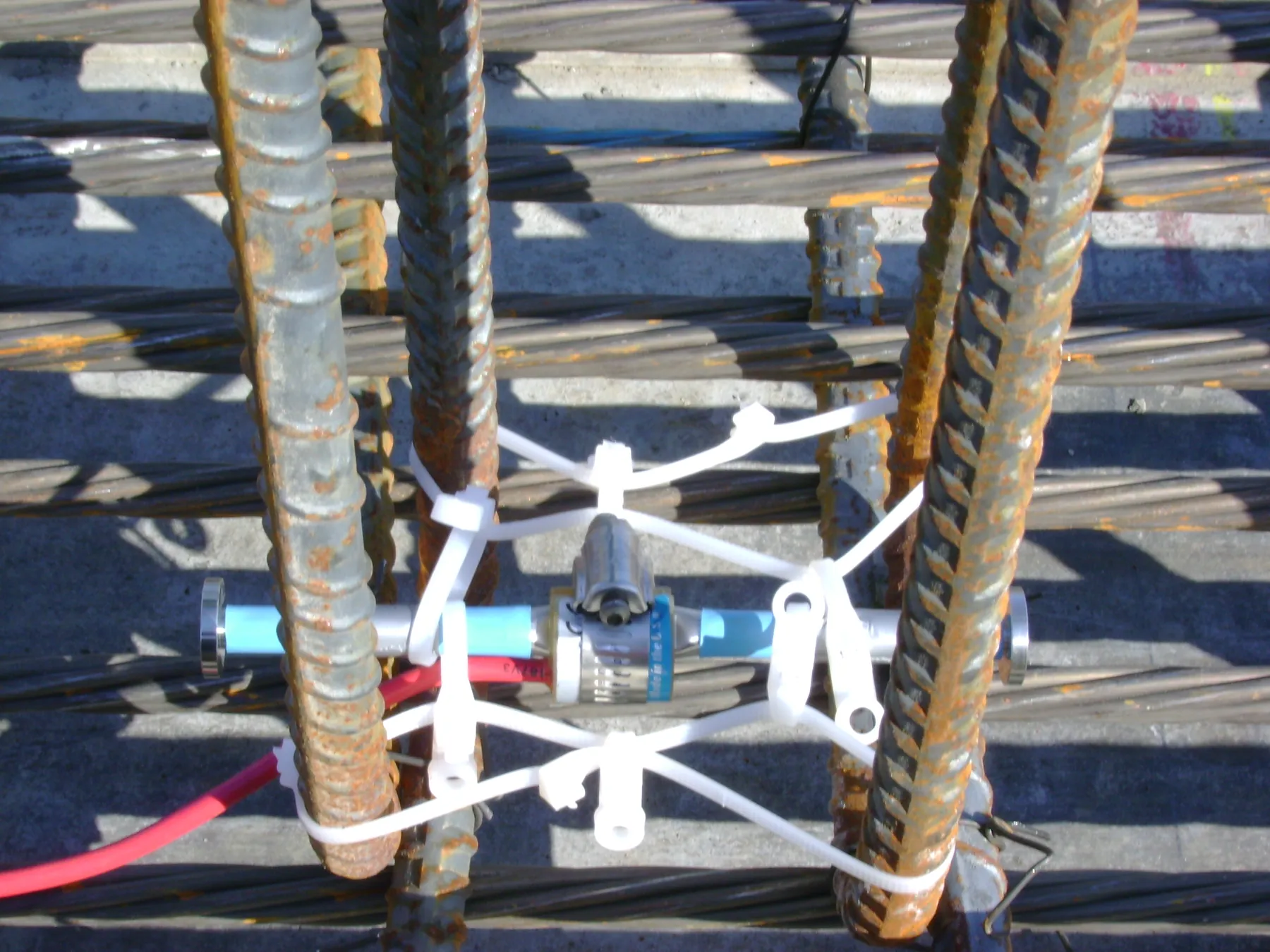
Prestress force, measured. Not assumed.
Design assumes a prestressing force. Friction, anchorage set, elastic shortening, creep, shrinkage and steel relaxation all take some of it away, and the only way to know how much remains is to measure it.
We install anchor load cells and vibrating-wire gauges before stressing, record the force at every stage, and keep logging through service so that losses are tracked against the design values.
- 0.1 % FS
- load cell accuracy, typically 3 kN on a 3 000 kN cell
- 0.5 με
- vibrating-wire strain resolution, temperature compensated
- 5 stages
- logged per tendon: stressing, lock-off, transfer, 28 days, service
Instruments
What we measure
Sensors are chosen for the structure and the question. Every channel is traceable to its calibration certificate, and every sample is time-stamped to GNSS.
| Parameter | Instruments | Where we install them | Range, resolution, sampling |
|---|---|---|---|
| Strain | Vibrating-wire and fibre-optic strain gauges | Concrete and steel members, at midspan and supports | ±3 000 με, 0.5 με, 1 Hz (vibrating wire) or 1 kHz (fibre optic) |
| Prestress force | Anchor load cells | Tendon anchorages and ground anchors | 0 – 3 000 kN, 0.1 % FS, 1 Hz |
| Displacement and deflection | LVDTs, laser distance sensors and GNSS | Deck, bearings and expansion joints | ±50 mm, 0.01 mm, 1 Hz; GNSS RTK 2 mm, 10 Hz |
| Tilt and rotation | Biaxial inclinometers | Piers, abutments and retaining walls | ±5°, 0.001°, 1 Hz |
| Vibration | MEMS and seismic accelerometers | Deck soffit, towers and floors | ±2 g, 0.05 mg, 200 Hz |
| Temperature and humidity | Thermistors and humidity probes | Inside and outside the section, to separate thermal effects | −20 … +80 °C, 0.1 °C, 1 Hz |
| Cracks and joints | Crack meters and joint meters | Critical details and existing cracks | ±25 mm, 0.01 mm, 1 Hz |
| Settlement | Settlement cells and precise levelling | Foundations and approach embankments | ±100 mm, 0.1 mm, hourly; levelling ±0.3 mm per run |
Every recommendation traces back to a measurement you can inspect.
We do not sell construction or repair. Our findings serve the asset owner, and the data is handed over in open formats.
Digital twin
A finite element model that is corrected by the structure itself.
Monitoring data on its own tells you what changed. A calibrated model tells you why, and what happens next. We build a finite element model of the structure, a viaduct or a building, pin the measured values to it, and keep the two in agreement for the life of the asset. The figures below are live: drive them.
Finite element model
The viaduct is modelled span by span: deck, piers, bearings and tendons, with the stiffness and prestress the drawings assume. Move the load and change the temperature; the model predicts strain, deflection and frequency at every sensor.
- SG-07 predicted strain
- SG-11 predicted strain
- Span 1 midspan deflection
- First vertical frequency
Buildings and towers
For a building the model is a frame: columns, core, floors and foundations. Under wind and occupancy it predicts storey drift, floor vibration and settlement, and accelerometers at floor levels measure the sway that calibrates it.
- Roof displacement
- Roof acceleration
- Top-storey drift ratio
Calibration against measurement
The model is then corrected until it reproduces the measurements: stiffness, support conditions and prestress force are adjusted so that predicted and measured strain, deflection and frequency agree. The result is a twin of the structure as built and as it is today, not as it was designed.
- Flexural stiffness, EI ratio0.62
- Bearing rotational fixity0 %
- Prestress force, ratio to design0.82
- Strain residual, RMS
- First frequency, model measured 2.61 Hz
- Midspan deflection under test load, model measured 3.7 mm
Prediction
With a calibrated twin, forecasting is a physical calculation rather than a line through past data. Creep, shrinkage and relaxation models run forward from the measured state to predict prestress loss, deflection and crack growth, with a confidence band. Drag the alarm threshold and move along the timeline to interrogate the forecast.
- Tendon force today
- Loss since transfer
- Threshold reached
- Years of margin
Method
How a monitoring project runs
Assess
We review drawings, inspection records and risks to define what must be monitored and why.
Instrument
We design, install and commission the sensors, and record a baseline.
Monitor and model
Data arrives continuously, passes quality control and calibrates the digital twin.
Predict and advise
You receive forecasts, alarms and engineering recommendations in signed reports.
Sectors
Where we work
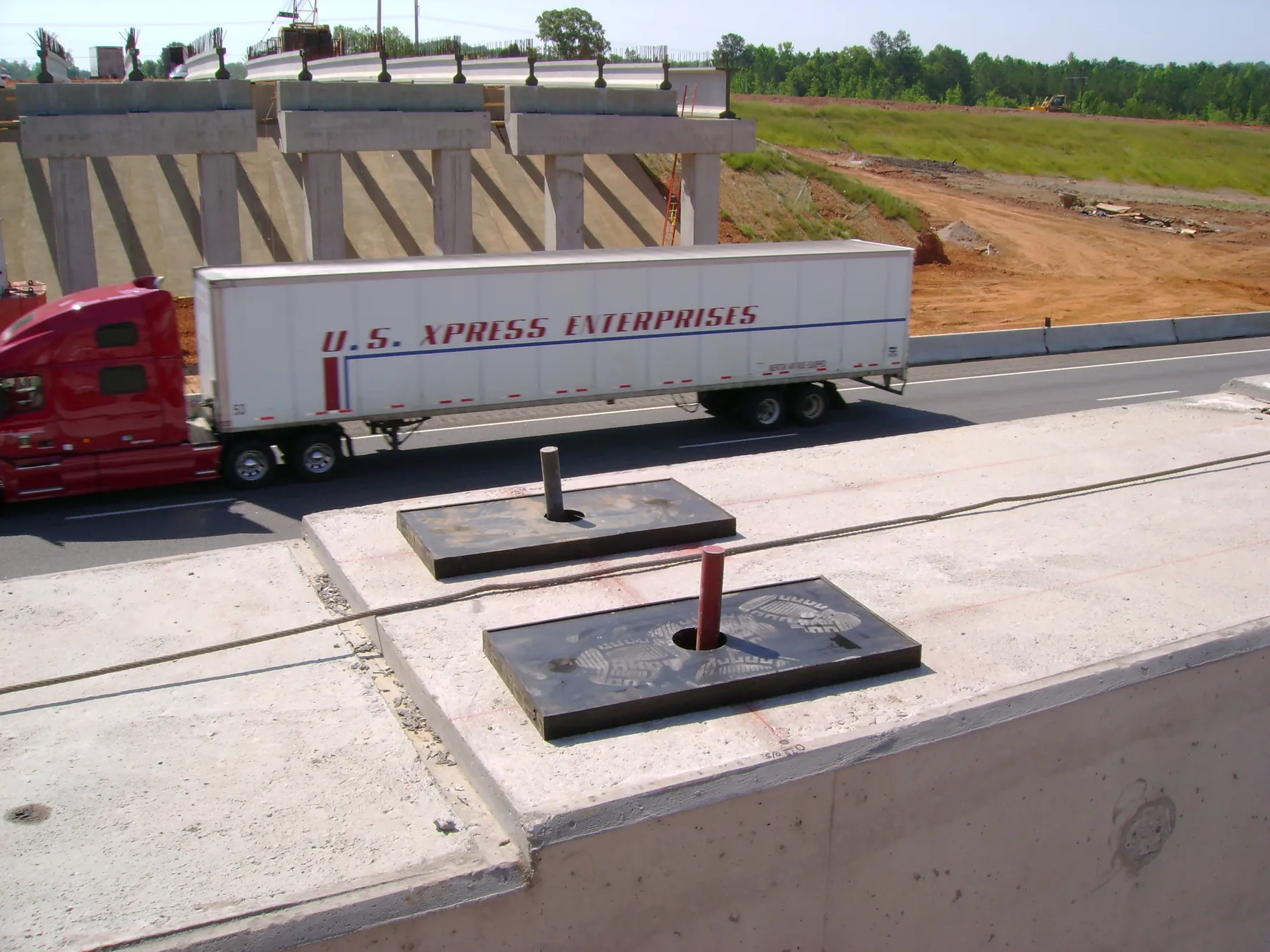
- Bridges and elevated highways
- Viaducts, box girders, bearings, expansion joints, piers and foundations.
- Rail and high-speed rail
- Prestress-loss monitoring of precast box girders, viaducts and track structures.
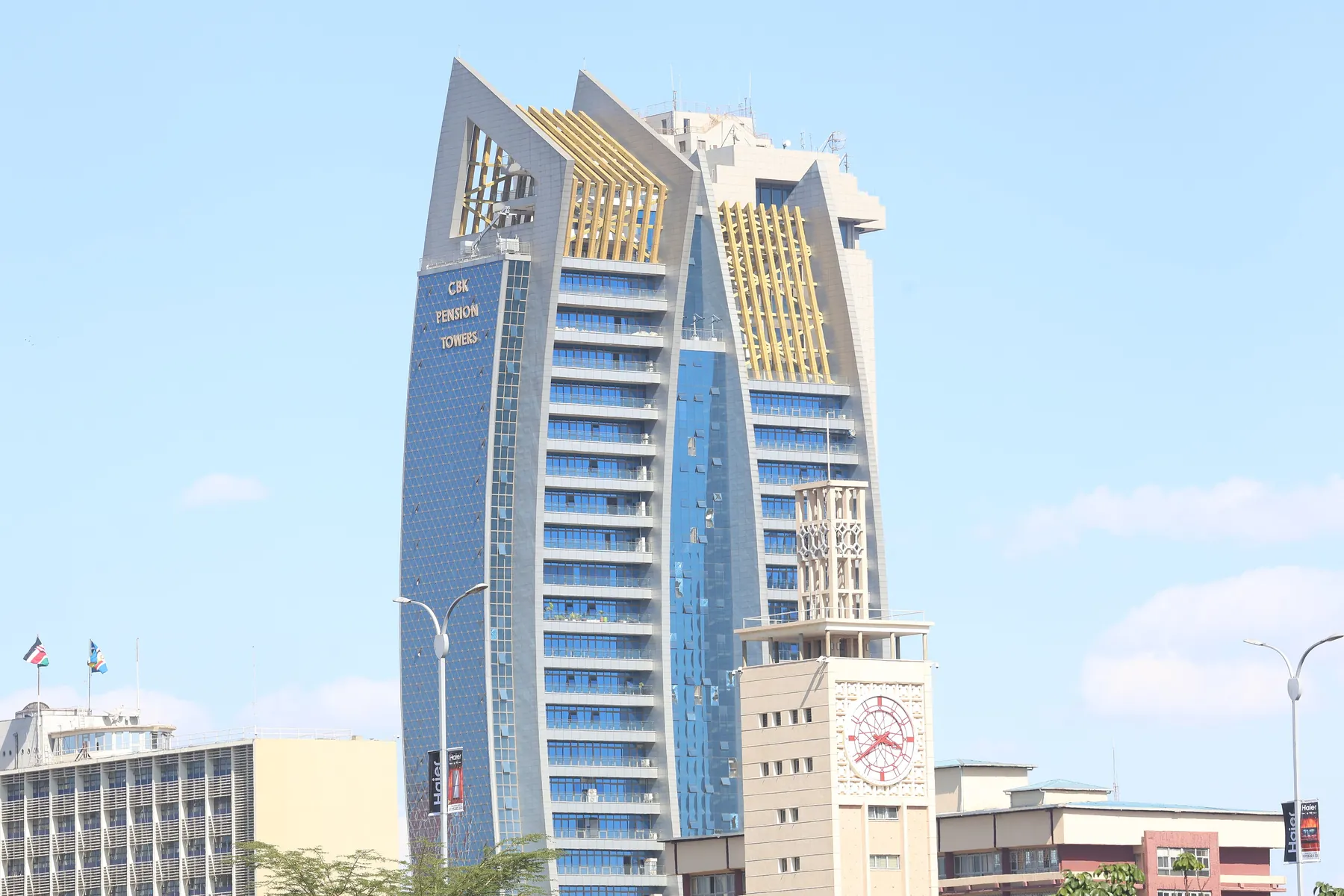
- Buildings and towers
- Monitoring of new towers and their neighbours during excavation and construction; condition and structural audits of existing buildings; wind and occupant vibration on tall and long-span buildings; and rapid instrumented checks after an earthquake, fire or impact.
- Ports, dams and water
- Quay walls, jetties, dams and intake structures.
- Energy and industrial
- Turbine and machine foundations, stacks, silos and tanks.
- Construction monitoring
- Protection of adjacent structures, excavation support and tendon stressing operations.
About
Structural health monitoring, end to end.
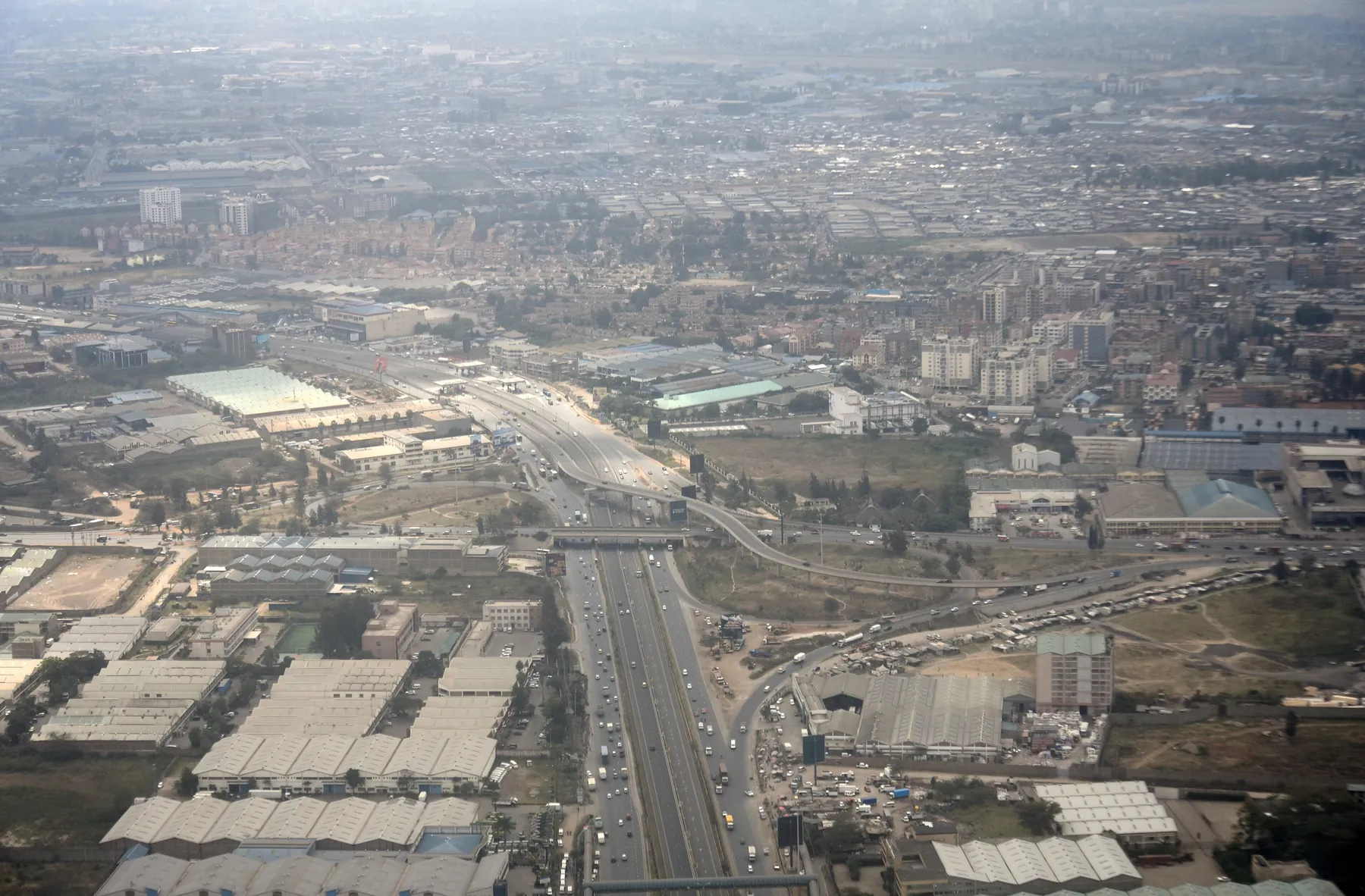
CiviSight is a structural health monitoring company. Our structural engineers, instrumentation specialists and software developers deliver complete monitoring systems, from sensors on the structure to models, predictions and engineering advice. We work in English and Kiswahili, and every system we deliver leaves the owner with data they own and decisions they can defend.
- Measured, not assumed
- Every recommendation traces back to a measurement you can inspect.
- Independent
- We do not sell construction or repair, so our findings serve only the asset owner.
- Open data
- Raw data, models and reports are handed over in open formats.

Contact
Tell us about your structure.
Email or call us and an engineer will reply within 2 working days.
Email: info@civisight.tech
Telephone0726 801 929
OfficeWilson Business Park, Block Delta, 2nd Floor
Wilson Airport, Nairobi, Kenya
PostalP.O. Box 1081-00517, Nairobi